

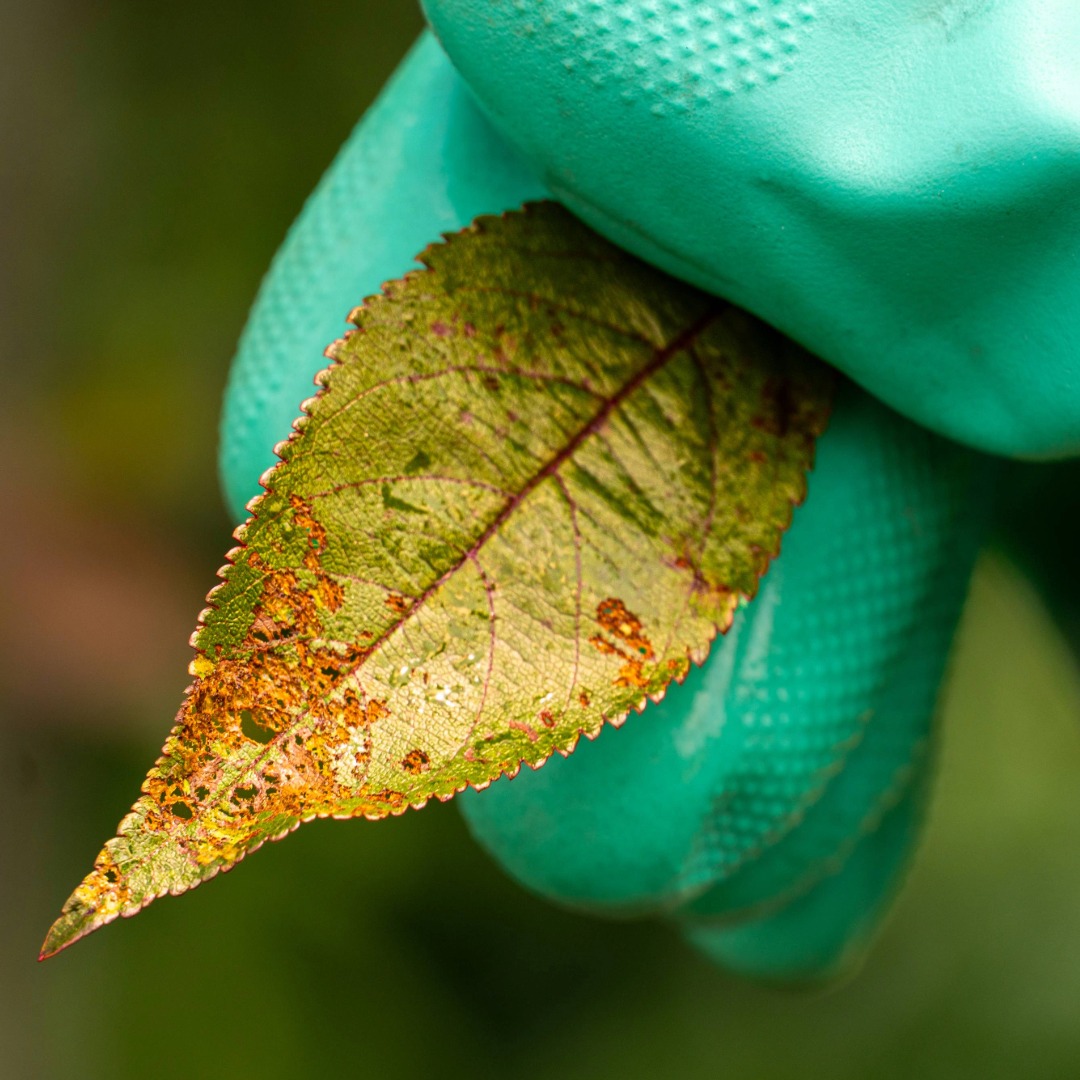
Spring is a critical turning point for your landscape in Southern Indiana and Kentucky. Trees and shrubs are waking from dormancy, pests are emerging, and diseases are quietly establishing themselves for the growing season. What you do now can determine whether your landscape thrives, or struggles, all year long.
Early spring tree and shrub care is not optional—it’s strategic, preventative, and far more effective than reacting after damage occurs. Here’s what homeowners in our region should focus on, and why professional care makes all the difference.
Why Early Spring Tree and Shrub Care is Critical
When trees and shrubs awaken, they’re vulnerable:
- Sap begins flowing and buds swell
- Tender new growth attracts pests and disease
- Environmental stressors like frost, drought, or fluctuating temperatures can weaken plants
Key point: Many destructive issues start small, develop early, and escalate quickly. By the time leaf discoloration or thinning branches are visible, the problem may have been active for weeks, or longer. Early spring care interrupts problems before they gain momentum.
Common Early Spring Pests and Diseases in Southern Indiana & Kentucky
Aphids, Bagworms, Scale Insects, and Japanese Beetles
Several insects become active early in the season:
- Aphids: Sap-sucking pests that stunt new growth
- Bagworms: Can reduce canopy coverage by up to 40% if untreated
- Scale insects: Often overlooked, highly destructive
- Japanese Beetles: Begin their life cycle in spring, well before peak summer damage
Powdery Mildew, Leaf Blights, and Fungal Infections
Spring moisture and fluctuating temperatures create ideal conditions for diseases:
- Powdery mildew
- Leaf blights
- Cankers
- Fungal and bacterial infections
These often start inside buds, stems, or soil and appear later as leaf spots, dieback, or premature defoliation. Preventative treatments early in spring, such as fungicides, horticultural oils, and dormant sprays, dramatically reduce long-term damage.
Preventative Measures for Trees and Shrubs
1. Inspect Trees and Shrubs Early
Look for early warning signs:
- Discolored buds or stems
- Sticky residue on branches (from sap-sucking insects)
- Old bagworm casings
- Cracked bark or oozing sap
- Dead or thinning branches
Even subtle signs can indicate larger underlying problems.
2. Professional Assessment is Key
Early pests and diseases often resemble one another, but treatments differ. Misapplied products or late interventions can waste a season or worsen damage.
At Black Diamond Turf Maintenance, we assess:
- Pest pressure and population trends
- Disease presence
- Environmental stressors (drought, frost, soil health)
No guesswork. No blanket sprays. Only targeted, customized care.
3. Targeted Preventative Treatments
The most effective early spring programs:
- Interrupt pest life cycles before they escalate
- Prevent fungal and bacterial infections
- Protect new growth during its most vulnerable stage
- Promote soil and foliar health for stronger, more resilient plants
- Incorporate pruning, mulching, and proper irrigation guidance
Professional-grade applications, horticultural oils, and dormant sprays prioritize plant health while remaining environmentally responsible.
How Black Diamond’s Tree and Shrub Program Works in Southern Indiana & Kentucky
Inspection & Diagnosis – Comprehensive property-wide assessments identify emerging threats.
Customized Treatment Plan – Plans account for:
- Plant species
- Pest and disease pressure
- Soil quality, mulch, and environmental conditions
Professional-Grade Applications – Targeted sprays, oils, and dormant treatments ensure lasting protection.
Ongoing Monitoring & Support – We track results and adjust treatments to prevent future infestations or disease outbreaks.
Long-Term Benefits of Early Spring Tree & Shrub Care
- Healthier, Stronger Plants – Improved resilience and growth
- Better Appearance – Lush foliage, consistent color, fuller canopies
- Increased Longevity – Avoid repeated stress for trees and shrubs
- Balanced Landscape Ecosystem – Supports beneficial organisms while controlling destructive pests
Timing is everything:
- Spring: Prevent problems before they start
- Summer: Monitor and manage emerging threats
- Fall: Strengthen plants before dormancy
Skipping early spring care means fighting uphill the rest of the season.
Ready to Protect Your Landscape in Southern Indiana & Kentucky?
Trees and shrubs are among the most valuable, and vulnerable, features of your property. Early spring professional care is a smart investment in their health, beauty, and longevity.
Call today to speak with a Black Diamond Turf Maintenance expert and schedule your tree and shrub assessment today.