

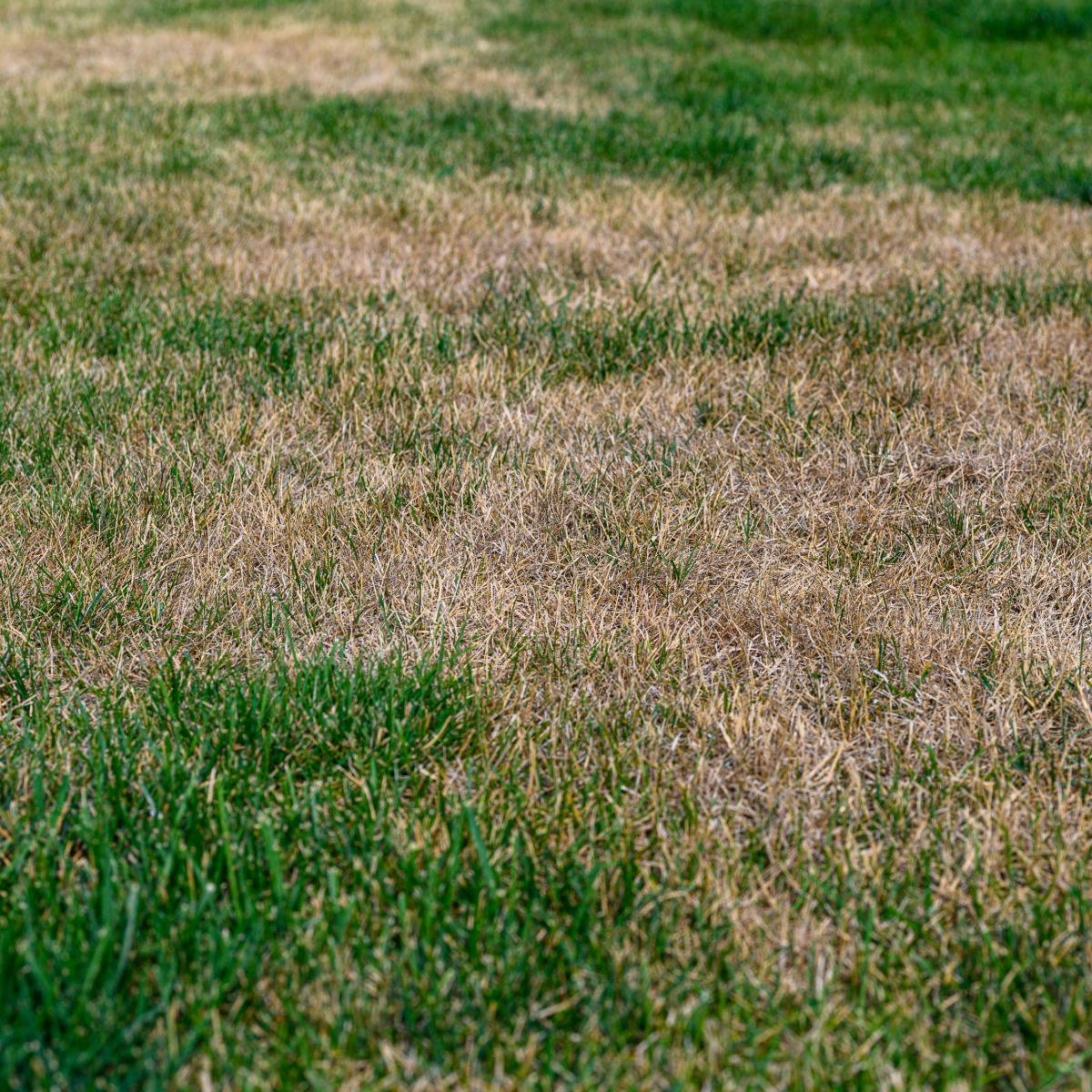
Is your lawn turning brown this summer? If so, you’re not alone. Lawns across Louisville, Jeffersonville, New Albany, and surrounding areas are losing their green color during periods of extreme heat and dry weather.
Because our region sits squarely in the climate transition zone, local homeowners experience unique challenges: our weather is hot and humid enough to stress cool-season grasses, yet cold enough in winter to prevent warm-season grasses from staying green year-round.
Fortunately, brown grass doesn’t always mean dead grass. Understanding the root cause of lawn browning is the first step toward restoring a healthy, green lawn. Below, we’ll cover the most common causes of a brown lawn and what you can do to fix them.
Drought and Heat Stress: The Most Common Cause
One of the biggest reasons a lawn turns brown in summer is drought stress and heat stress. During extended periods of high temperatures, many cool-season grasses common in our area – such as Kentucky bluegrass, fescue, and ryegrass – naturally enter a state of dormancy to conserve energy and moisture.
Common signs of severe heat and drought stress include:
- Uniform brown or tan coloring across wide open expanses of the yard.
- Footprints remain visible in the grass long after walking across the lawn.
- Dry, brittle grass blades that lose their elasticity.
Dormant grass can often fully recover when temperatures cool down, and moisture levels improve.
Improper Watering Habits
Many homeowners are surprised to learn that poor irrigation habits cause just as much damage as a blistering heatwave. Knowing how often you should water your lawn in summer is critical to preventing long-term turf damage.
- Underwatering: Leads to shallow root development, dry, stressed turf, and rapid browning during hot weather. If your grass feels brittle underfoot, it is likely suffering from classic lawn drought stress treatment deficits.
- Overwatering: Suffocates grass roots, leading to weak root systems, an increased risk of fungal disease, and excess thatch buildup.
For most lawns, deep, infrequent watering is more effective than daily light watering. Watering early in the morning allows moisture to soak into the soil before the heat of the day.
Lawn Diseases That Cause Browning
Warm summer temperatures combined with high Ohio Valley humidity create ideal conditions for harmful pathogens. If you notice your lawn has brown patches in spots rather than a uniform tan color, a fungal disease may be at play.
The most common summer lawn diseases in our area include:
- Brown Patch: A fungal issue that spreads quickly in hot weather, appearing as rough, circular brown areas ranging from a few inches to several feet wide.
- Dollar Spot: Identified by small, distinct, straw-colored spots roughly the size of a silver dollar.
- Red Thread: A fungal disease identified by pink or reddish thread-like growth on grass blades, often giving affected areas a patchy, faded appearance.
High moisture levels mixed with trapped heat create the perfect environment for disease spread. Correcting your watering habits can minimize pressure, but active outbreaks often require professional fungal treatments to arrest.
Soil Compaction and Poor Root Health
Compacted soil acts like concrete, preventing water, oxygen, and vital nutrients from penetrating deep into the grass roots. This issue is incredibly common in high traffic play areas or lawns featuring heavy, local clay soils.
Soil compaction directly leads to:
- Weak, stunted root systems that cannot access deep groundwater.
- Poor overall drought tolerance.
- Uneven, patchy browning patterns where water runs off instead of soaking in.
If your soil feels rock-hard, learning the signs your lawn needs aeration can save your grass. Core aeration mechanically removes small plugs of soil to relieve compaction, dramatically improving water absorption and overall turf health. For major issues, understanding how to fix compacted soil in your lawn is the first step toward long-term recovery.
Lawn Pests That Damage Grass
Certain turf pests thrive during peak summer heat and can cause significant, fast-moving damage to an otherwise healthy yard.
- Grubs: These beetle larvae feed directly on grass roots beneath the soil surface, completely cutting off the plant’s ability to absorb water.
- Chinch Bugs: These tiny insects thrive in hot, dry conditions. They damage grass by puncturing the blades and sucking out the plant tissues while injecting a destructive toxin.
- Sod Webworm: These caterpillar larvae feed on grass blades, creating small brown patches that can quickly spread if left untreated. Homeowners may also notice silken webbing in the thatch layer or small tan moths flying low over the lawn at dusk, which are common signs of sod webworm activity.
- Armyworm: These hungry caterpillars feed aggressively on grass blades and can devastate large areas of turf in just a few days. They often move across a lawn in groups, leaving behind irregular brown patches, thinning grass, and ragged, chewed blade
Signs of pest damage include:
- Irregular brown patches
- Grass that lifts easily from the soil
- Areas that fail to recover after watering
Sun Exposure and Landscape Factors
Not all summer browning can be blamed on a disease or a pest. Several environmental and landscaping imbalances can create highly localized heat stress on your turf, including:
- Intense afternoon sun exposure on unshaded, south-facing slopes.
- Reflective heat radiating off asphalt driveways, concrete sidewalks, and brick foundations.
- Intense tree root competition, where large established trees suck up all available moisture and nutrients from the surrounding soil before the grass can access it.
Knowing how to keep grass green during a heatwave involves identifying these hot spots and adjusting your irrigation or landscaping to accommodate them.
How to Prevent Lawn Browning in Summer
The most effective summer lawn care strategy focuses on maintaining deep, robust roots and resilient soil long before the heatwave hits. To prevent lawn browning next season, implement these core practices:
- Water deeply in the early morning
- Avoid mowing too short
- Follow a proper fertilization program such as Black Diamond Turf Maintenance Plans
- Schedule lawn aeration when needed
- Monitor for pests and disease
- Maintain healthy soil pH levels
These practices help improve drought tolerance and reduce summer stress.
How to Fix a Brown Lawn
Before starting any recovery or dry brown grass repair protocol, you must determine whether your grass is simply dormant or permanently dead.
How to Tell if Your Grass is Dormant or Dead (The Tug Test)
To check if your turf is permanently damaged, grab a handful of brown grass and pull firmly. If it resists and stays anchored, it’s dormant—there’s still life in the roots! If it pulls up effortlessly like a piece of old carpet, the root system is dead, and your lawn will require professional turf restoration or overseeding to bounce back.
Recovery may include:
- Adjusting watering schedules
- Lawn aeration
- Overseeding thin areas
- Fertilization treatments
- Grub control applications
- Lime applications to improve soil conditions
- Power seeding to help the grass grow thicker
For lawns with widespread damage, professional turf restoration services may provide faster and more consistent results.
When to Call Black Diamond Turf Maintenance
If your lawn remains brown despite watering, or if the same problems return every summer, it may be time for professional help.
Our lawn care specialists can identify underlying issues such as soil compaction, disease, pest activity, or nutrient deficiencies and recommend the right treatment plan.
At Black Diamond Turf Maintenance, we provide professional weed control, fertilization, aeration and overseeding, grub control, tree and shrub care, power seeding, lime applications, and turf restoration services throughout Louisville, Jeffersonville, New Albany, and surrounding communities.
If you’re searching for lawn care services near me or need help diagnosing a lawn turning brown in summer, contact Black Diamond Turf Maintenance today for a customized lawn care plan.